
Lab Research Focus
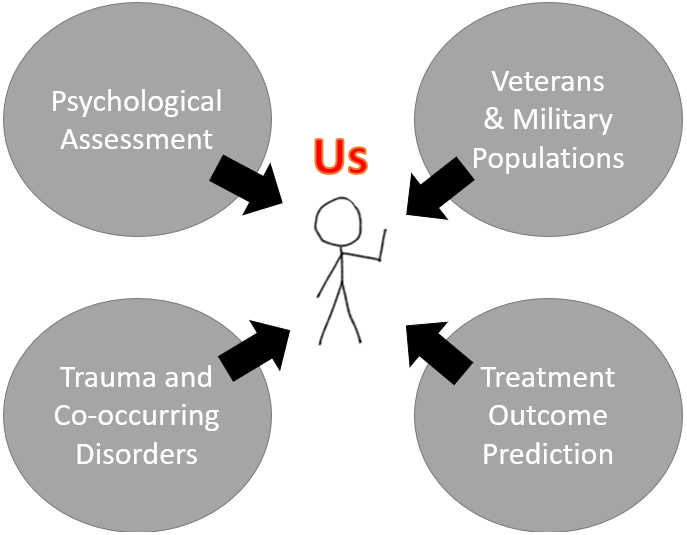
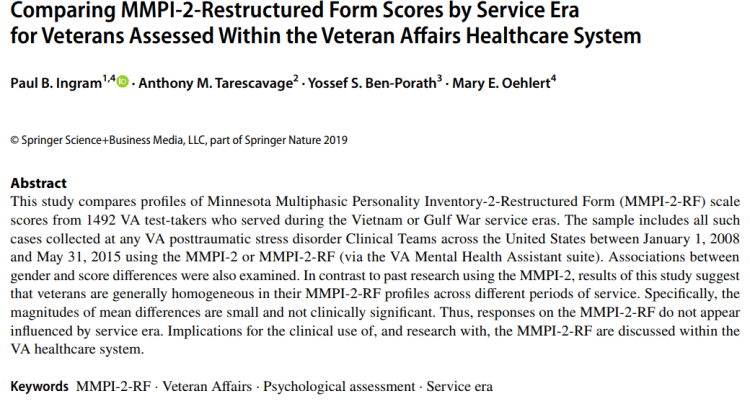
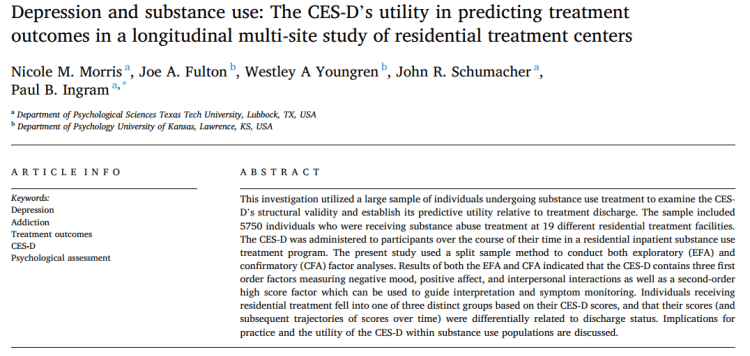
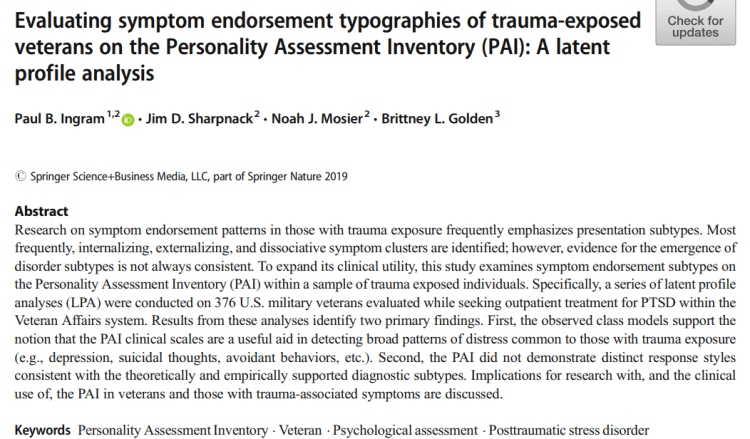
The lab’s research focuses on: (1) advancing evidence-based assessment and (2) barriers to engagement and retention in mental health services. These areas are generally centered on military and trauma exposed populations.
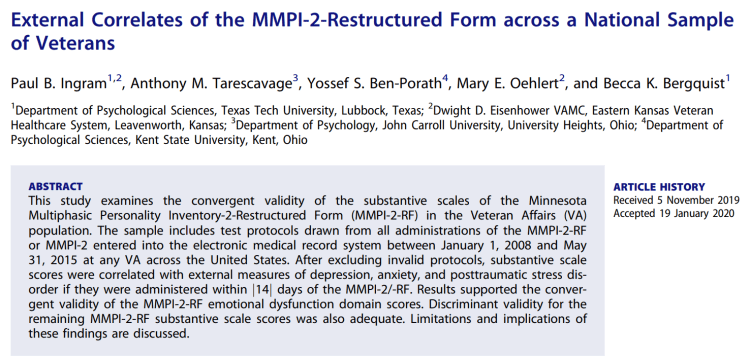
My research on assessment is process oriented, meaning that I view assessment validity in terms of both a function of correlational and cross-sectional investigations assessing instrument relationship to criterion factors (i.e., where most assessment research falls and that which emphasizes detecting/improving error in scale construction – correlations, latent class analyses, factor analyses) as well as on the procedure of interpretation and application of instruments in training and practice settings (e.g., clinician interpretation, instrument use frequency, and barriers to use). Research on treatment focuses on understanding the process to get individuals into various types of help including both traditionally formal psychotherapy services, but also other supportive services (e.g., self-help).
Current Projects
| Lead Graduate Student | Research Project |
|---|---|
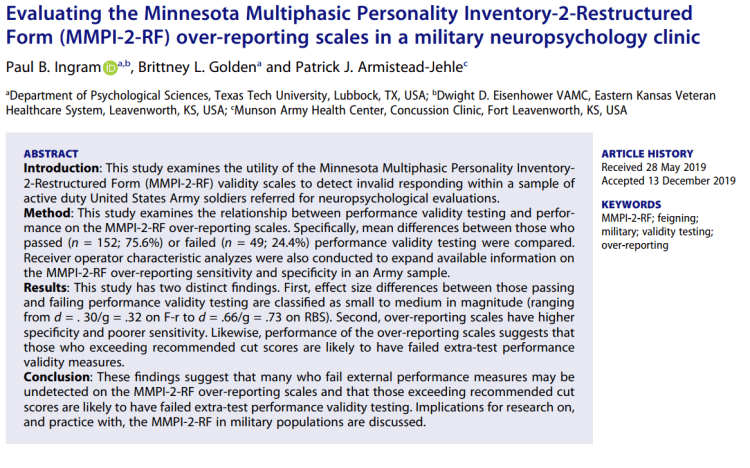
| Tristan, Luke | Validity scale functioning and the implications for self report assessment. |
| Sarah | Use of the MMPI-3 in athletics as a pre performance mental health screener. |
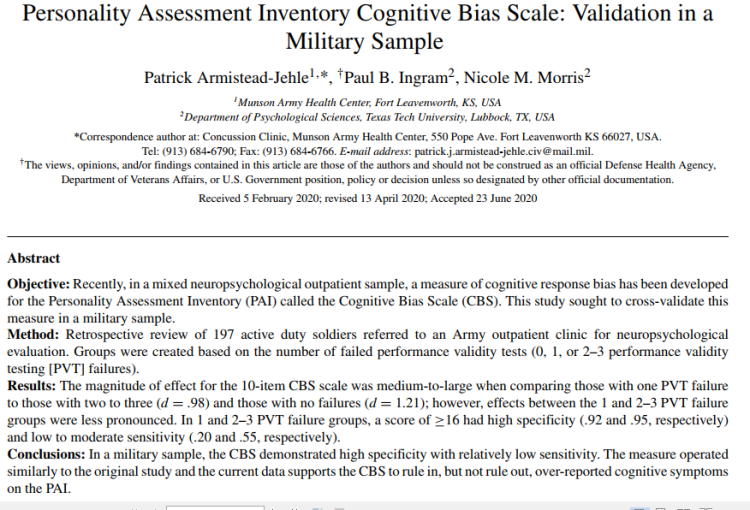
| Luke | Neuropsychology and symptom validity issues, specifically cognitive invalidity |
| Megan | Impact of gender and sexuality on psychological assessment instrument use and validity |
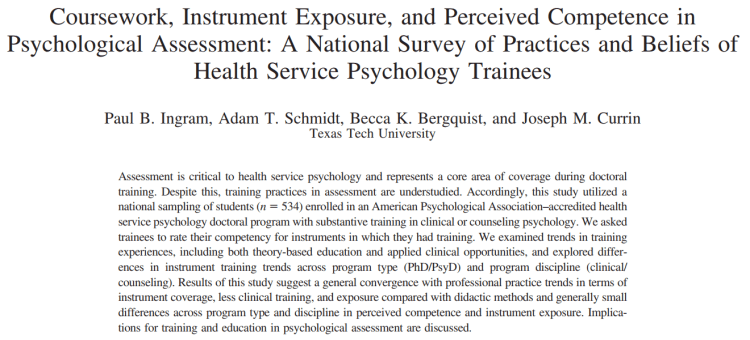
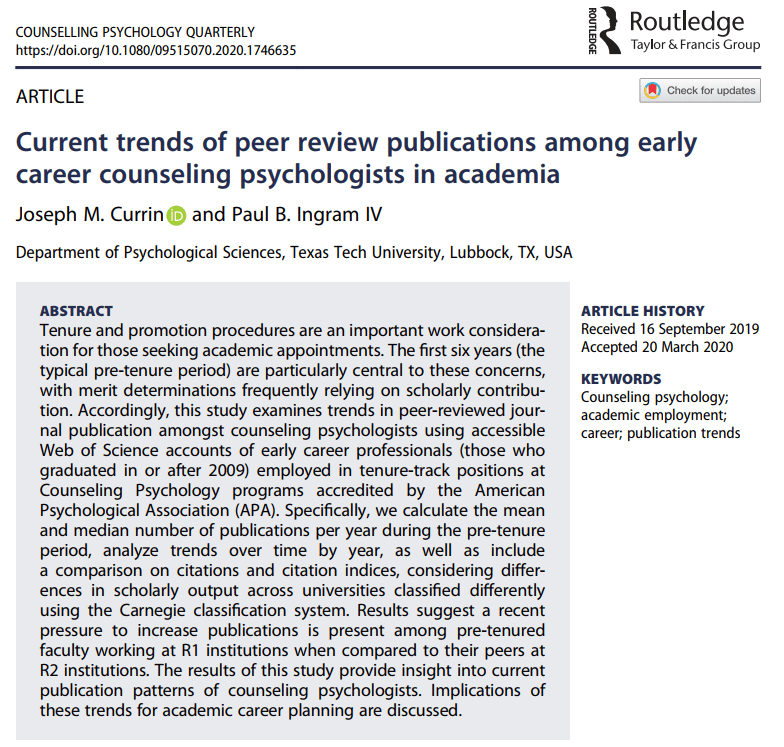
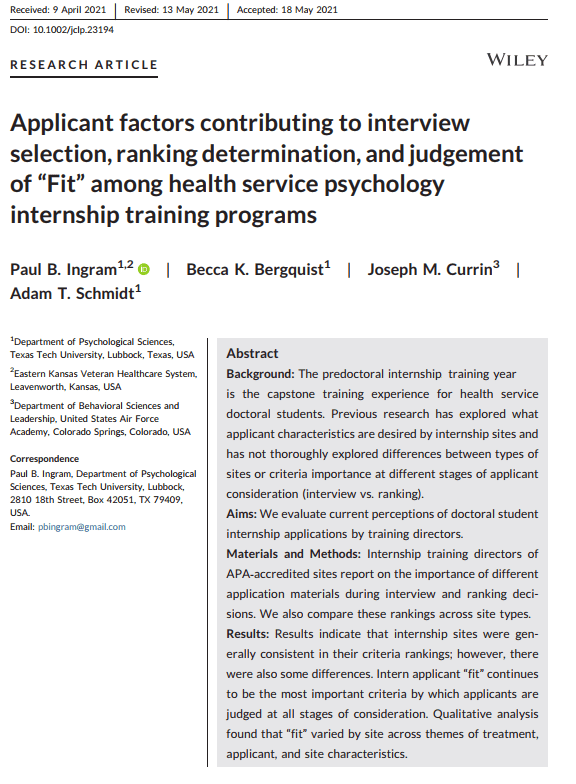
| Tristan, Megan | Health service psychology training practices, particularly in assessment |
| Keegan, Megan, Tristan, Tina | Trauma symptoms, in adults, healthy community teens. and in incarcerated juvenile offenders with the MMPI-A-RF |
| Cole | MMPI-3’s assessment of eating pathology, and it’s utility in gender, ethnic, and sexual minorities |
| Tina, Luke | MMPI-3 utility in assessing PTSD |
| Tristan | Artificial intelligence and applications to assessment |
 Dr. Paul Ingram, Ph.D